about burgeo
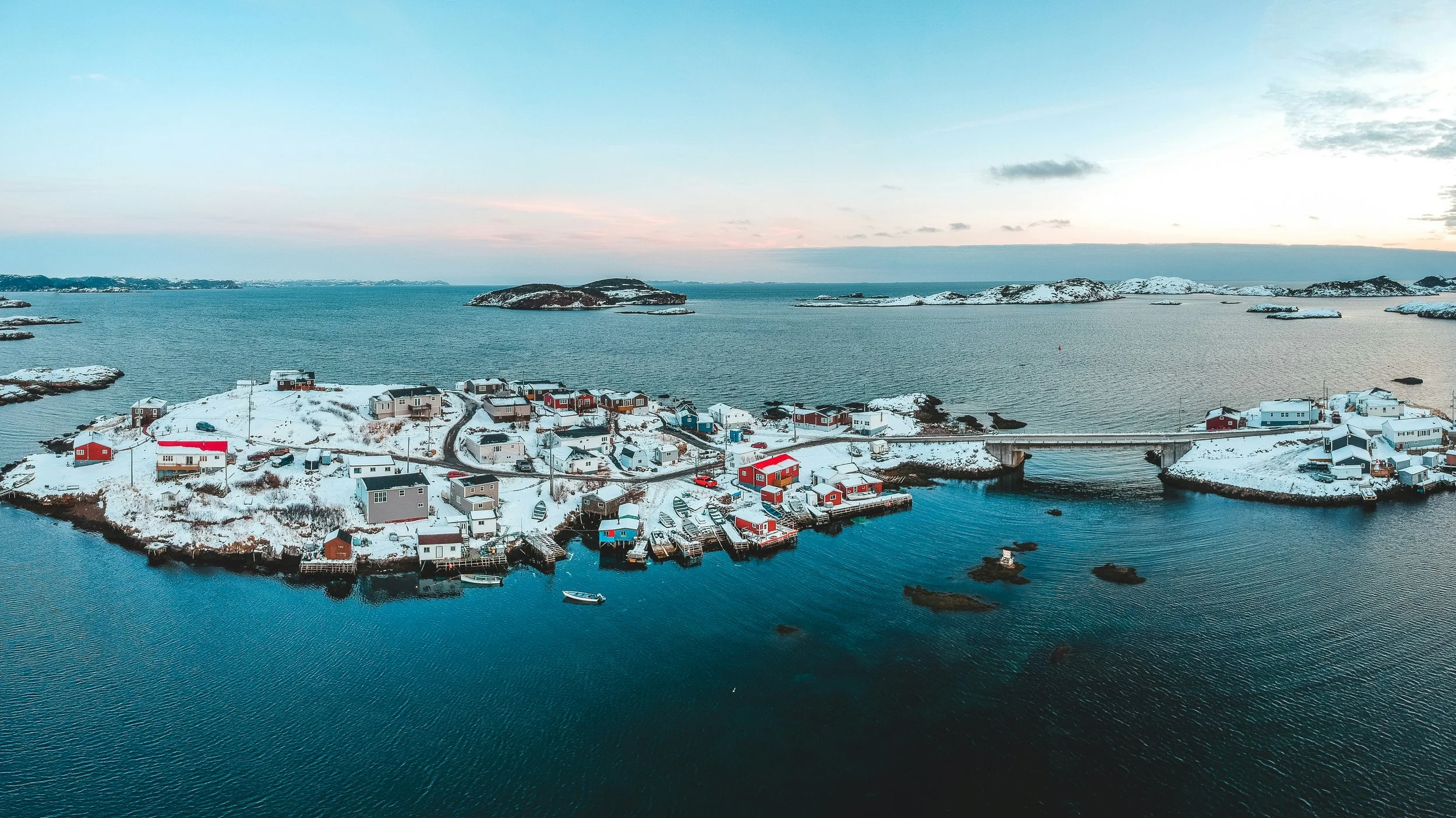
A look at who Burgeo is today, where it’s located, and the people, places, and traditions that define the town.

A History Shaped by the Sea
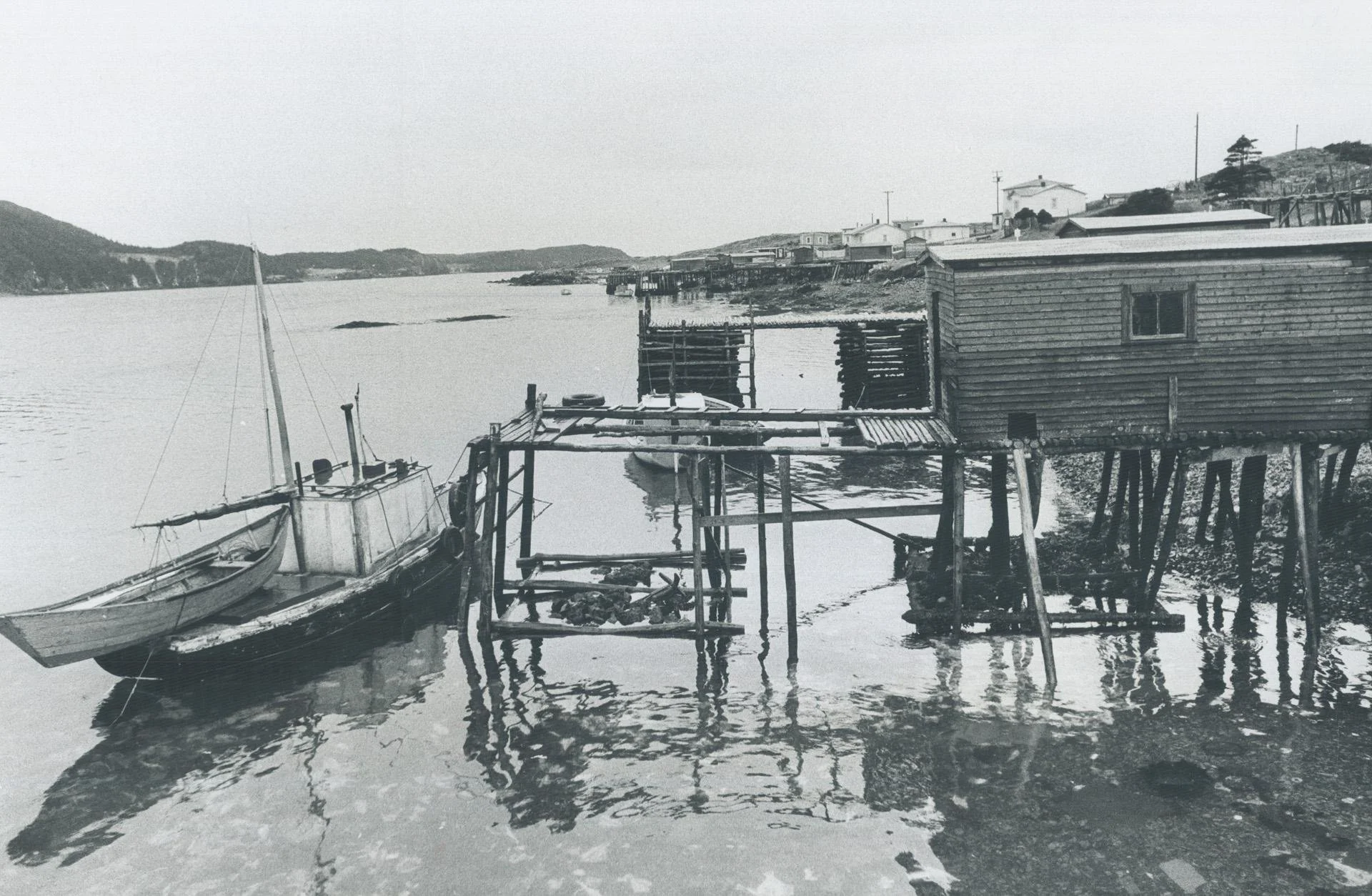
Long before European settlement, Indigenous peoples—including the Dorset, Beothuk, and Mi’kmaq—frequented the bays and islands of the Burgeo archipelago. European fishermen began settling permanently in the area in the late 1700s, drawn by rich inshore cod fisheries. What began as several small, scattered communities eventually grew together, and Burgeo was officially incorporated in 1950.
Fishing has always been at the heart of Burgeo’s economy and identity. From early fishing merchants in the 1800s to modern processing facilities established in the mid-20th century, the fishery supported generations of families. In 1971, Burgeo played an important role in the rise of the Fish, Food and Allied Workers Union (FFAW), helping to improve working conditions for fishery workers across Newfoundland and Labrador.
During his surveys of the south coast in 1766, Captain James Cook witnessed a solar eclipse and named nearby Eclipse Island, linking Burgeo to early maritime exploration.
Who We Are
Set along Newfoundland’s remote south coast, Burgeo is a historic outport community with roots stretching back nearly 500 years. Surrounded by islands, sheltered harbours, and the open Atlantic, the town has long been shaped by the sea—and by the people who chose to stay.
The name Burgeo is believed to have evolved from “Virgio,” possibly given by early Portuguese settlers and later adapted through British use. Today, Burgeo remains a close-knit coastal town where tradition, resilience, and community are central to daily life.
at a glance
Get to know Burgeo at a glance with a few key details about the town and its community.
population
1100
area
31.34 sq km
established
1950